Supporting small carnivore conservation
Red Panda © Tashi R. Ghale
The Small Carnivore Specialist Group was formed in the 1980s and is one of the longest running groups within the IUCN Species Survival Commission (SSC)
Our group has over 120 members, whose expertise range from wildlife photography and mammal watching, through to small carnivore ecology.
What does the group do?
Major threats to small carnivores include the illegal wildlife trade and habitat loss. 74% of threatened small carnivores are in Asia and Africa.
We support small carnivore conservation by:
Collating and disseminating information and data relevant to small carnivore conservation
Providing technical advice on small carnivore conservation
Linking between field and captive programmes
Supporting early-career conservationists working in species-rich countries, particularly in the tropics

Our Priorities
Our priority species are all threatened with extinction and all require urgent conservation action. Small carnivores form a significant part of the illegal wildlife trade; another priority is the trade and use of small carnivores.
We support the conservation of:
red pandas
the Malagasy carnivores
mongooses
skunks and stink badgers
weasels, martens and badgers
civets and genets
linsangs
raccoons and coatis
We do not cover any species of cat, dog, or otter: these are covered by different specialist groups within the IUCN Species Survival Commission.

Madagascar’s Carnivores
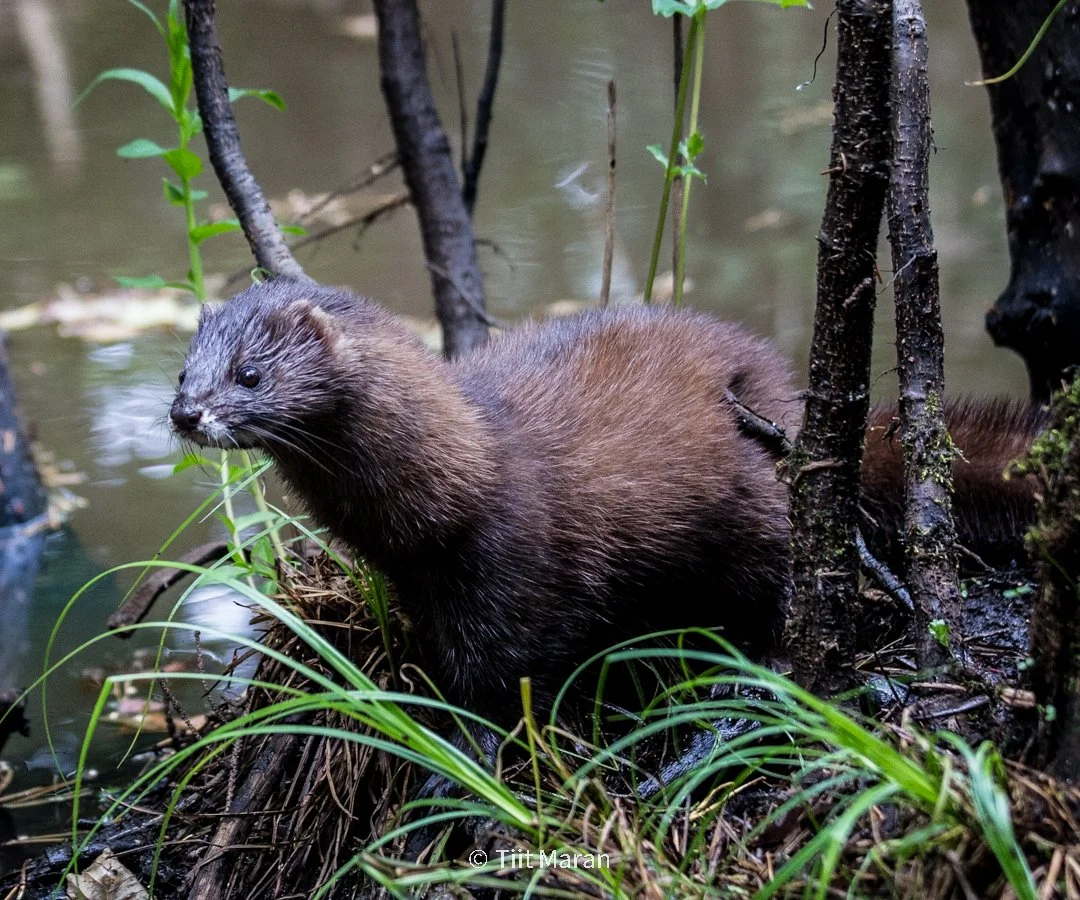
European Mink

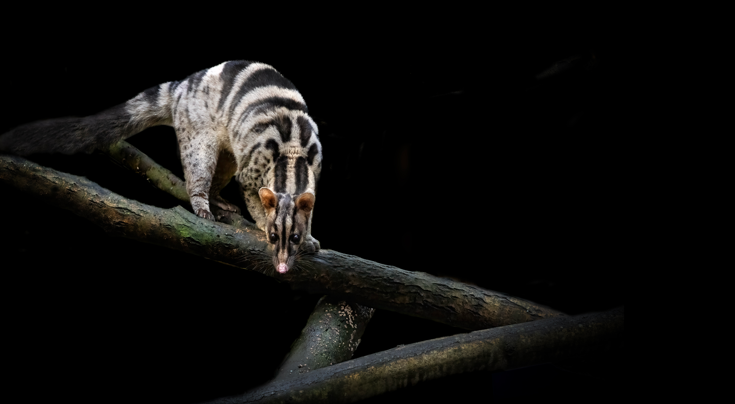
Owston’s Civet

Trade, use and zoonotic disease
Our Members
Who is in the specialist group?
We have a diverse membership, recognising the range of people and professions that need to be involved if conservation is to work.
Please visit the Join the Group tab for details on membership.

Our Civet Working Group
Collaborative transdisciplinary conservation.
Our Civet Working Group is dedicated to the conservation of viverrid species (civets, genets and oyans). Established in partnership with the Civet Project Foundation, the working group achieves its objectives collectively and through three thematic teams of Taxonomy & Red Listings, Mapping & Distribution, and Education for Human-Viverrid Coexistence.